
Key Takeaways:
- Utah’s sunny winter days create deceptive conditions where hidden ice, low visibility, and overconfident drivers contribute to motorcycle crashes.
- Riders face increased risk in high-traffic corridors like I-15, Foothill Drive, and canyon roads even when the weather appears perfect.
- Injured motorcyclists may pursue compensation for medical bills, lost income, and long-term injuries with help from Steele Adams Hosman.
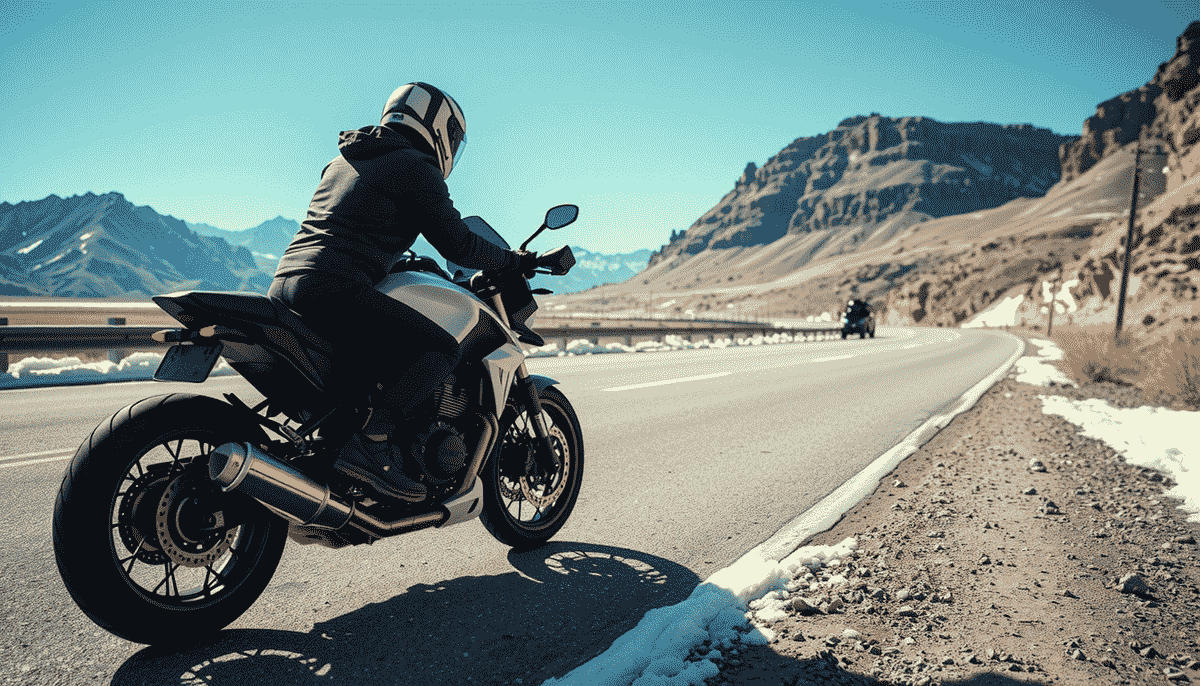
Utah riders know winter doesn’t always mean deep snow and icy storms. In fact, some of the most dangerous motorcycle crashes happen on clear, sunny winter days, the kind of weather that encourages riders to pull the bike out of the garage for a quick trip or canyon loop.
Winter riding conditions are far more unpredictable than they look. Dry roads can quickly turn slick in shaded areas. Drivers don’t expect motorcycles in January and fail to check blind spots. Low sun angles create blinding glare during prime commuting hours. And cold tires dramatically reduce traction, even when the asphalt seems dry.
At Steele Adams Hosman, we see many motorcycle accident cases that occur not during storms, but during Utah’s deceptively calm winter weather. This article breaks down why these clear-day crashes happen, where the biggest risks are, and what injured riders should do to protect their health and their legal rights.
Why Clear Winter Days Are Surprisingly Dangerous for Utah Riders
Motorcyclists face unique winter hazards even on sunny days. What looks like perfect riding weather often masks hidden threats.
1. Black Ice in Shaded Areas
Utah’s geography includes canyons, overpasses, and tree-lined neighborhoods. These surfaces stay frozen long after the sun melts nearby roads. A rider going 40 mph can hit near-invisible ice and lose control instantly.
2. Cold Tires and Cold Pavement
Motorcycle tires need heat to grip the asphalt. In winter, even clear days rarely warm the pavement enough for optimal traction. This increases braking distance and reduces cornering stability.
3. Drivers Aren’t Expecting Motorcycles
When winter arrives, many Utah drivers simply stop looking for motorcycles. They pull out from driveways, switch lanes, or enter traffic without checking mirrors or blind spots. This “low expectation bias” is a major cause of motorcycle crashes in cold months.
4. Blinding Sun Glare
The sun sits lower in winter, intensifying glare during morning and late-afternoon commutes. Drivers may not see an approaching rider, especially on roads like I-15, Foothill Drive, and 700 East, where the sun often hits eye level.
5. Salt, Slush, and Road Debris
Even after a storm, the roads may be “clear,” but they’re rarely clean. Salt patches, gravel, and leftover slush make traction unpredictable. Canyon routes, like Big Cottonwood or Provo Canyon, are especially hazardous.
Where Winter Motorcycle Crashes Often Happen in Utah
Clear-day motorcycle accidents frequently occur in predictable areas across the Wasatch Front:
Urban Corridors
- I-15 between Murray and Draper
- I-80 near Sugar House
- State Street and 700 East
- Redwood Road in West Valley
Heavy traffic combined with low visibility and driver inattention make these hot spots for winter crashes.
Canyon Roads
- Big Cottonwood Canyon
- Little Cottonwood Canyon
- Provo Canyon
Shaded curves, cold pavement, wildlife, and quick temperature drops make these routes deceptively dangerous even when the sky is clear.
Rural Highways
Riders traveling between cities (Salt Lake City to Tooele, or Ogden to Brigham City) often encounter black ice on bridges and open stretches of highway.
Even experienced riders can get caught off guard.
Common Injuries in Winter Motorcycle Accidents
Motorcycle crashes almost always result in serious injuries, and winter conditions make them even worse. Common injuries include:
- Traumatic brain injuries
- Road rash (even at low speeds)
- Fractures and crushed bones
- Internal injuries
- Spinal cord injuries
- Shoulder and knee trauma
- Long-term nerve and soft tissue damage
These injuries often require surgery, extensive physical therapy, and long recovery periods.
What to Do After a Winter Motorcycle Crash
Your actions after an accident influence both your medical recovery and your legal case.
1. Call 911 Immediately
A police report is critical, especially when ice, glare, or driver negligence is involved.
2. Seek Medical Care
Even “minor” crashes can cause internal injuries or delayed-onset concussions. Documentation also strengthens your claim.
3. Collect Evidence
If safe, photograph the road conditions, vehicle damage, and weather. Winter hazards disappear quickly, so documentation matters.
4. Get Witness Information
Drivers who saw the crash can help establish fault, especially when a driver claims “I didn’t see the motorcycle.”
5. Do NOT Talk to the At-Fault Driver’s Insurance
Insurers routinely blame motorcyclists, even when the driver was clearly negligent. Do not give recorded statements without legal representation.
6. Call Steele Adams Hosman
Our team can:
- Investigate road conditions
- Review dash-cam and traffic camera footage
- Consult accident reconstruction experts
- Handle negotiations with insurers
- Protect you from unfair blame
Understanding Liability in Winter Motorcycle Crashes
Utah follows a modified comparative negligence rule, meaning you can still recover compensation as long as you are less than 50% at fault.
Riders are often unfairly blamed for crashes, but winter motorcycle accidents are frequently caused by:
- Drivers failing to yield
- Drivers not checking blind spots
- Drivers turning left across a rider’s path
- Unsafe lane changes
- Speeding on icy roads
- Distracted driving
- Poor road maintenance
- Hidden ice or debris
Steele Adams Hosman works to make sure the real cause of the crash is recognized, not stereotypes about motorcyclists.
Compensation Available to Injured Motorcyclists in Utah
You may be entitled to compensation for:
- Emergency medical treatment
- Surgeries and hospitalization
- Physical therapy and rehabilitation
- Lost wages
- Reduced earning ability
- Motorcycle repairs or replacement
- Pain and suffering
- Emotional distress
In cases involving reckless drivers (speeding, distraction, impairment), punitive damages may also be available.
How Steele Adams Hosman Helps Riders Recover
Motorcycle cases require skill, investigation, and persistence. At Steele Adams Hosman, we:
- Fight bias against motorcyclists
- Gather weather and road-condition evidence
- Work with reconstruction specialists
- Coordinate with your medical providers
- Negotiate aggressively with insurers
- Prepare every case as if it will go to trial
We’ve helped riders throughout Salt Lake City, Ogden, and Provo recover compensation after devastating crashes, and we’re ready to help you.
If you were injured in a winter motorcycle accident, contact Steele Adams Hosman for a free consultation and case evaluation.
Winter Motorcycle Safety Tips for Clear Days
Even experienced riders can benefit from extra safety precautions during Utah’s cold season:
- Warm up your tires before aggressive turns
- Ride later in the day when temperatures rise
- Avoid shaded canyon areas early in the morning
- Use high-visibility gear
- Keep more following distance
- Watch for black ice on bridges
- Assume drivers don’t see you
For weather updates and winter travel alerts, visit the Utah Department of Transportation Winter Driving Page.
Frequently Asked Questions
1. Is it legal to ride a motorcycle in Utah during winter?
Yes, but riders must take extra precautions due to unpredictable road conditions.
2. Can I file a claim if I hit black ice?
Possibly. Liability may involve road maintenance issues, property owners, or drivers who contributed to the crash.
3. What if the driver says they “didn’t see” me?
This is not a valid excuse. Drivers are responsible for checking blind spots year-round, including winter.
4. How long do I have to file a motorcycle injury claim in Utah?
Typically, four years, but starting early helps preserve critical winter evidence.
5. Are motorcycle crashes more severe in winter?
Yes. Reduced traction, cold weather injuries, and higher-impact collisions often lead to more serious outcomes.


