Why Evidence Is Critical to Your Case
After a serious injury accident—whether it’s a car crash on I-15, a pedestrian injury near State Street, or a construction accident in South Jordan—evidence is what determines the outcome of your claim.
Insurance companies don’t simply take your word for what happened. They rely on documentation, records, and expert analysis to decide whether to pay—and how much. Without strong evidence, even valid claims can be undervalued or denied.
Steele Adams Hosman is proud to help injury victims across Salt Lake City and the Wasatch Front build powerful, evidence-based cases. If you’ve been hurt due to someone else’s negligence, knowing what evidence matters most can protect your rights and your future.
What You Need to Know About Evidence in Utah Injury Cases
In Utah, personal injury claims are based on negligence, which requires proving:
- The other party had a duty to act safely
- They failed to meet that duty
- Their actions caused your injuries
- You suffered measurable damages
Evidence is what connects each of these elements—and without it, your case becomes much harder to prove.
The Most Important Types of Evidence After an Accident
1. Medical Records and Documentation
Medical evidence is often the foundation of your claim.
This includes:
- Emergency room records (Intermountain Medical Center, LDS Hospital, University of Utah Health)
- Doctor’s notes and diagnoses
- Imaging results (X-rays, MRIs, CT scans)
- Treatment plans and prescriptions
- Physical therapy and rehabilitation records
These documents prove both the existence and severity of your injuries, which directly impact compensation.
2. Photos and Videos from the Scene
Visual evidence can tell a powerful story.
Important images include:
- Vehicle damage and positions
- Skid marks and road conditions
- Traffic signs or signals
- Weather conditions (especially important during Utah winters)
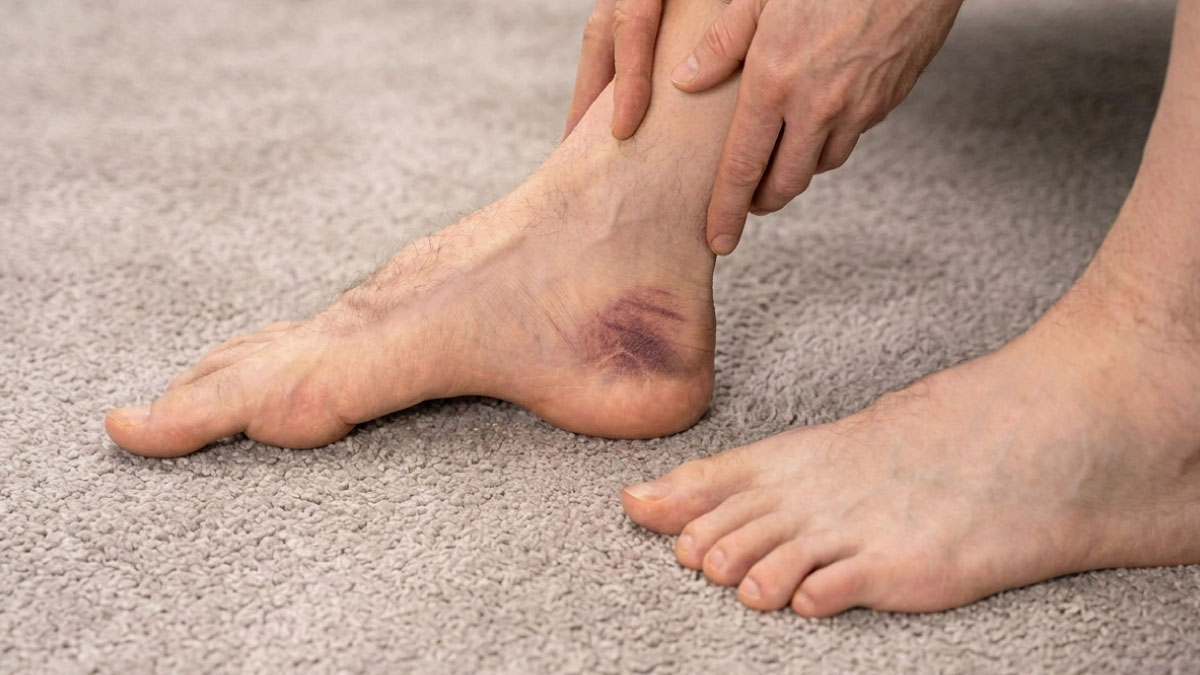
- Visible injuries
If your accident happened near busy areas like 700 East or Foothill Drive, nearby surveillance cameras may also capture critical footage.
3. Police Reports
A police report provides an official account of the accident.
It may include:
- Statements from drivers and witnesses
- The officer’s observations
- Any citations issued
- Initial fault assessments
While not always conclusive, police reports carry significant weight with insurance companies and courts.
4. Witness Statements
Independent witnesses can strengthen your case by offering unbiased perspectives.
They may confirm:
- How the accident occurred
- Driver behavior (speeding, distraction, etc.)
- Road and traffic conditions
The sooner statements are collected, the more reliable they tend to be.
We’ve helped hundreds of Utah families recover. Let’s talk about how we can help you.
5. Expert Analysis and Accident Reconstruction
In serious cases, expert testimony can be critical.
Experts may include:
- Accident reconstruction specialists
- Medical professionals
- Economic experts (to calculate long-term financial losses)
For example, in a high-speed collision on I-80, reconstruction experts can determine vehicle speeds, impact angles, and fault.
6. Employment and Financial Records
To recover compensation for lost income, you’ll need documentation such as:
- Pay stubs
- Tax returns
- Employer statements
- Documentation of missed work
In catastrophic injury cases, these records help calculate future earning capacity losses.
7. Personal Documentation
Your own records can also play an important role.
Consider keeping:
- A pain journal documenting daily symptoms
- Notes about how injuries affect your life
- Records of out-of-pocket expenses
This type of evidence helps demonstrate pain and suffering, which isn’t always visible in medical records.
What Happens If Evidence Is Lost or Delayed?
One of the biggest risks after an accident is losing critical evidence.
Examples include:
- Surveillance footage being deleted within days
- Accident scenes being cleared quickly
- Witnesses becoming unreachable
- Vehicles being repaired before documentation
This is why acting quickly is essential.
Step-by-Step: How to Preserve Evidence After an Accident
Immediately After the Accident
- Call 911 and ensure a police report is filed
- Take photos and videos of the scene
- Get contact information from witnesses
- Seek medical attention immediately
In the Days Following
- Follow all medical treatment recommendations
- Keep copies of medical records and bills
- Avoid discussing the accident on social media
- Contact a personal injury attorney
Common Challenges Injury Victims Face
Even with strong evidence, insurance companies often attempt to minimize claims.
You may encounter:
- Disputes about fault
- Arguments that your injuries are pre-existing
- Claims that treatment was unnecessary
- Delays designed to pressure you into settling
These tactics are especially common in cases involving:
- Traumatic brain injuries
- Spinal cord injuries
- Catastrophic injury claims
Your future deserves protection—call Steele Adams Hosman now for a free consultation.
How the Legal Process Uses Evidence
Understanding how evidence fits into your case can help you feel more confident moving forward.
1. Investigation
Your legal team gathers and preserves all available evidence.
2. Claim Development
Evidence is used to build a clear narrative of what happened and why you’re entitled to compensation.
3. Negotiation
Strong evidence increases leverage during settlement discussions.
4. Litigation
If necessary, evidence is presented in court—potentially in the 3rd District Court of Utah—to prove your case.
Steele Adams Hosman prepares every case with trial-readiness in mind, ensuring no detail is overlooked.
Why Strong Evidence Can Increase Your Compensation
The strength of your evidence directly impacts:
- The value of your settlement
- How quickly your case resolves
- Whether your case goes to trial
Well-documented cases often result in higher compensation and stronger outcomes.
How to Know When You Should Contact a Lawyer
You should speak with a lawyer as soon as possible if:
- You’ve suffered serious injuries
- Fault is unclear or disputed
- Evidence may be lost or difficult to obtain
- Insurance companies are pushing back
Early legal guidance can make a significant difference in preserving your case.
How Steele Adams Hosman Helps Build Strong Cases
Steele Adams Hosman provides comprehensive legal support for injury victims throughout Salt Lake City and the Wasatch Front. Our approach includes:
- Immediate evidence preservation
- Collaboration with top experts
- Strategic case development
- Aggressive negotiation with insurers
- Trial-ready preparation for every case
We understand what it takes to build a successful claim—and we’re committed to helping you every step of the way.
Frequently Asked Questions About Evidence in Injury Cases
How soon should I start collecting evidence?
Immediately. The sooner evidence is preserved, the stronger your case will be.
Can I still win a case without photos or witnesses?
Yes, but it may be more challenging. Other evidence, like medical records and expert testimony, can still support your claim.
What if the insurance company denies my claim?
You may still pursue compensation through negotiation or litigation with the help of an attorney.
Don’t face the insurance company alone—contact Steele Adams Hosman now.
Hurt in an accident? Let Steele Adams Hosman fight for the justice and compensation you deserve.
Call Steele Adams Hosman today for a free consultation—and take the first step toward justice and healing.take the first step toward recovery.