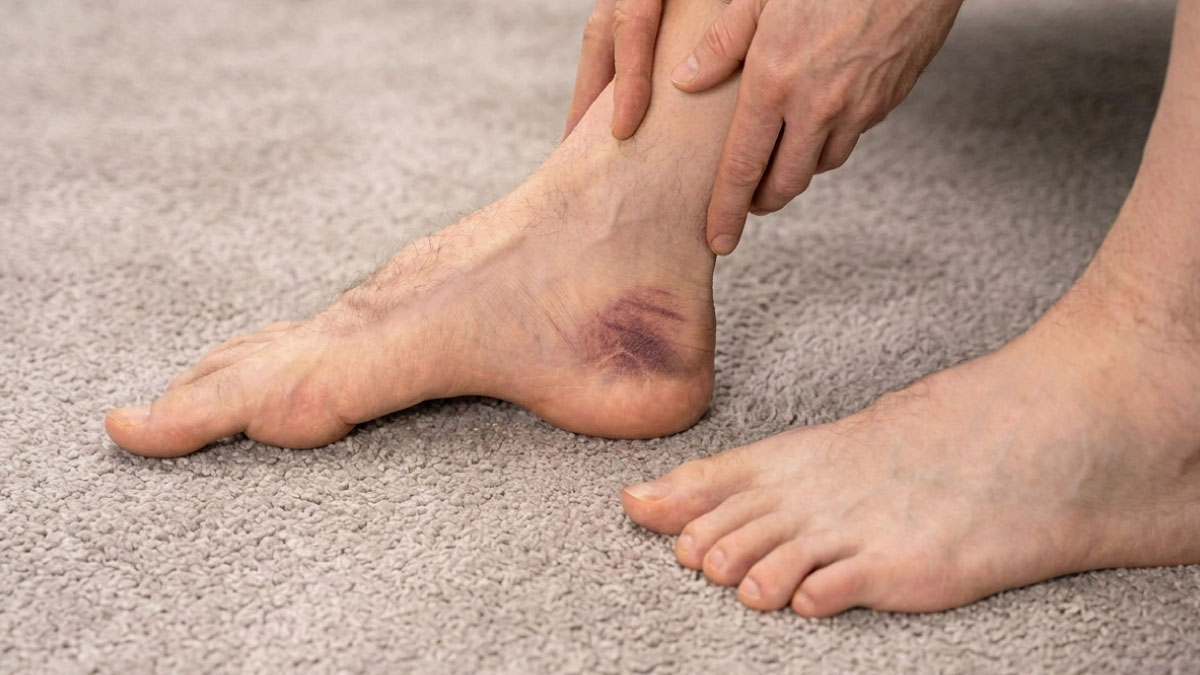
A car accident does not have to cause a broken bone or visible wound to result in a serious injury. The sudden movement of a collision can stretch, twist, or tear muscles, ligaments, tendons, and other soft tissues throughout the body.
These injuries are sometimes dismissed because they may not appear clearly on an X-ray. Symptoms may also be mild immediately after a crash and become more noticeable hours or days later. That delay does not necessarily mean the injury is imaginary, unrelated to the accident, or too minor to require treatment.
Soft tissue injuries can interfere with sleep, work, driving, exercise, childcare, and other ordinary activities. Some improve with conservative treatment, while others cause symptoms that continue for months or longer.
Steele Adams Hosman helps people injured in Utah car accidents document soft tissue injuries, address insurance company skepticism, and pursue compensation for the medical, financial, and personal effects of a collision.
What Is a Soft Tissue Injury?
Soft tissue injuries affect the structures that support, connect, and move the body rather than the bones themselves.
Soft tissues include:
- Muscles
- Ligaments
- Tendons
- Fascia
- Nerves
- Connective tissues
These structures can be stretched, compressed, twisted, bruised, or torn during an accident. The resulting injury may cause pain, swelling, stiffness, weakness, spasms, instability, numbness, or reduced range of motion.
Common soft tissue injuries after a car accident include:
- Neck sprains and strains
- Whiplash-associated injuries
- Back strains
- Shoulder injuries
- Rotator cuff damage
- Knee sprains
- Ankle sprains
- Muscle contusions
- Tendon injuries
- Ligament tears
- Myofascial pain
Whiplash is one of the most familiar examples. Medical literature describes whiplash-associated disorders as injuries resulting from the rapid transfer of energy to the neck, often during rear-end or side-impact motor vehicle collisions. The acceleration-and-deceleration movement may injure the neck’s soft tissues even when there is no fracture or dislocation.
How Can a Car Accident Cause a Soft Tissue Injury?
During normal movement, the muscles and supporting tissues work within a controlled range. A collision can force the body to move farther or faster than those tissues can safely tolerate.
The body may be affected by:
- Rapid forward and backward movement
- Side-to-side movement
- Rotation of the neck or torso
- Direct impact with the steering wheel, dashboard, door, or seat
- Bracing before impact
- Pressure from a seat belt
- Sudden compression of joints
- Twisting of the knees, shoulders, or ankles
Rear-end accidents are commonly associated with neck injuries because the occupant’s head and torso may move at different times. Federal vehicle-safety research recognizes that head and neck movement during rear impacts is relevant to understanding and reducing whiplash-type injuries.
The severity of an injury cannot always be determined by looking only at the visible damage to the vehicles. Research into rear collisions has found that crashes involving similar overall changes in velocity can produce different acceleration patterns and occupant responses.
A vehicle may absorb or redirect force in ways that do not correspond neatly with the pain experienced by an occupant. For that reason, photographs of a bumper should not replace a medical examination.
Why Might Soft Tissue Injury Symptoms Be Delayed?
Some people feel immediate pain after a collision. Others initially feel shaken, stiff, or only slightly uncomfortable.
Symptoms may become more noticeable after the person leaves the scene, attempts to sleep, returns to work, or resumes ordinary movement. Swelling, muscle guarding, inflammation, and increasing stiffness can develop over time.
Common delayed symptoms include:
- Neck pain
- Back pain
- Headaches
- Shoulder stiffness
- Muscle spasms
- Reduced range of motion
- Tingling or numbness
- Fatigue
- Dizziness
- Difficulty concentrating
- Pain that worsens with movement
- Trouble sleeping
Clinical research identifies neck pain, neck stiffness, and headaches among the common symptoms reported during the acute period after a whiplash injury. Although many patients improve, a portion continue experiencing symptoms beyond the initial recovery period.
Delayed symptoms should not be ignored. They may indicate an injury that requires evaluation, treatment, or additional diagnostic testing.
Pain that appears after you leave the accident scene can still be connected to the collision. Contact Steele Adams Hosman to discuss how prompt treatment and accurate documentation may protect your Utah injury claim.
What Is the Difference Between a Sprain and a Strain?
The terms “sprain” and “strain” are often used interchangeably, but they refer to injuries involving different structures.
A sprain generally involves a ligament. Ligaments connect bones to other bones and help stabilize joints.
A strain generally involves a muscle or tendon. Tendons connect muscles to bones.
Both injuries can range from mild stretching to significant tearing.
A neck strain may affect the muscles supporting the head and upper spine. A knee sprain may damage ligaments that stabilize the joint. A shoulder strain may affect tendons or muscles used to lift and rotate the arm.
Symptoms may include pain, weakness, swelling, bruising, muscle spasms, and difficulty using the affected area.
What Is Whiplash?
Whiplash describes an injury mechanism commonly associated with rapid back-and-forth movement of the neck. It often occurs during a rear-end collision, although side impacts and other crashes can also produce similar forces.
Whiplash may affect:
- Neck muscles
- Cervical ligaments
- Tendons
- Facet joints
- Discs
- Nerve structures
- Upper-back and shoulder tissues
Possible symptoms include:
- Neck pain
- Neck stiffness
- Headaches
- Shoulder pain
- Upper-back discomfort
- Reduced neck movement
- Arm pain
- Tingling or numbness
- Dizziness
- Sleep disruption
- Concentration problems
Whiplash is often categorized as a soft tissue injury when fractures and dislocations are absent. However, the absence of a fracture does not mean the person has no injury or no functional limitations.
Some people recover relatively quickly. Others experience continuing symptoms that affect their ability to work, drive, exercise, or complete household activities. Recovery varies, and it is not appropriate for an insurance adjuster to assume that every person should improve according to the same schedule.
Can Soft Tissue Injuries Be Serious?
Yes. The phrase “soft tissue injury” describes the type of body structure involved, not necessarily the seriousness of the condition.
A mild muscle strain may improve with rest and conservative care. A significant ligament tear, tendon injury, nerve-related condition, or chronic whiplash disorder may require extensive treatment.
Serious consequences may include:
- Chronic pain
- Joint instability
- Persistent muscle spasms
- Limited mobility
- Weakness
- Nerve symptoms
- Sleep problems
- Reduced ability to work
- Inability to perform physical job duties
- Difficulty lifting or caring for children
- Loss of recreational activities
- Need for injections or surgery
An injury may also aggravate a preexisting condition. A person with prior back discomfort may experience significantly worse pain after a collision. The fact that someone was vulnerable to injury does not automatically excuse the person who caused the crash.
Steele Adams Hosman evaluates how the person functioned before the accident, what changed afterward, and whether medical evidence connects the new or worsened symptoms to the collision.
Why Don’t Soft Tissue Injuries Always Appear on X-Rays?
X-rays are commonly used to identify fractures, dislocations, and certain structural abnormalities involving bones. They may not clearly display injuries to muscles, tendons, ligaments, or other soft tissues.
A normal X-ray does not necessarily mean the patient is pain-free or uninjured.
Depending on the symptoms and examination findings, a healthcare provider may use:
- Physical examination
- Range-of-motion testing
- Strength testing
- Neurological evaluation
- X-rays
- Magnetic resonance imaging
- Computed tomography
- Ultrasound
- Electromyography or nerve testing
The appropriate testing depends on the patient’s symptoms and the provider’s medical judgment. Not every soft tissue injury requires advanced imaging, and not every injury will produce a dramatic finding on a scan.
Insurance companies may place excessive emphasis on imaging results while overlooking clinical observations, consistent symptoms, functional limitations, and the treatment recommended by qualified providers.
When Should You Seek Medical Care?
You should seek emergency help after a crash involving severe pain, loss of consciousness, breathing difficulty, confusion, weakness, uncontrolled bleeding, suspected spinal trauma, or other alarming symptoms.
Even when emergency transportation is not required, medical evaluation may be important if you develop:
- Neck or back pain
- Persistent headaches
- Numbness or tingling
- Muscle weakness
- Dizziness
- Limited movement
- Increasing swelling
- Joint instability
- Severe bruising
- Pain that interferes with sleep
- Difficulty completing ordinary activities
Tell the provider exactly how the crash occurred and describe all symptoms, even if one area hurts more than the others.
Do not exaggerate symptoms, but do not minimize them either. An accurate initial history can help the provider evaluate the injury and create a clear medical record.
Your medical care should be based on your symptoms—not on whether an insurance adjuster thinks the collision looked serious. Seek appropriate treatment and contact Steele Adams Hosman for personalized guidance.
How Are Soft Tissue Injuries Treated?
Treatment depends on the injured structure, symptom severity, medical history, and response to care.
A provider may recommend:
- Temporary activity modification
- Ice or heat
- Anti-inflammatory medication
- Pain medication
- Muscle relaxants
- Physical therapy
- Guided stretching
- Strengthening exercises
- Chiropractic treatment
- Massage therapy
- Occupational therapy
- Injections
- Specialist evaluation
- Surgery in severe cases
The correct treatment plan is a medical question. Accident victims should follow the advice of qualified healthcare professionals rather than relying on an insurer, opposing lawyer, or general online guidance.
It is also important to attend appointments and communicate honestly about improvement or worsening symptoms. If a treatment is not helping, discuss that concern with the provider instead of simply stopping care without explanation.
Why Does Consistent Medical Treatment Matter to an Injury Claim?
Medical treatment serves two important purposes. First, it gives the injured person an opportunity to receive appropriate care. Second, it creates records showing the nature, duration, and effect of the injury.
Insurance carriers commonly review:
- The time between the crash and first treatment
- The symptoms reported at each appointment
- Diagnostic findings
- Treatment recommendations
- Missed appointments
- Gaps in care
- Work restrictions
- Referrals to specialists
- Whether the patient followed medical advice
- Whether the patient reported improvement
A long unexplained treatment delay may lead the insurer to argue that the injury was minor or caused by something else. A major gap in appointments may prompt an argument that the person recovered, even when the real reason involved cost, transportation, work obligations, or lack of insurance.
Tell Steele Adams Hosman about barriers that interfere with treatment. Those circumstances may need to be documented and explained.
How Do Insurance Companies Challenge Soft Tissue Injury Claims?
Soft tissue injury claims are often targeted because the symptoms may be less visible than a cast, surgical scar, or broken bone.
An insurer may argue that:
- The collision was too minor to cause injury
- The claimant waited too long to obtain care
- Imaging did not show significant damage
- The symptoms resulted from aging
- A prior injury caused the pain
- Treatment was excessive
- The claimant should have recovered sooner
- The person’s daily activities contradict the claimed limitations
- The medical bills are unreasonable
- The person exaggerated the symptoms
These arguments are not necessarily supported by the evidence. Steele Adams Hosman may respond using medical records, photographs, witness statements, vehicle evidence, employment information, expert opinions, and a detailed history of the person’s condition before and after the crash.
Insurance adjusters may also request a recorded statement. Seemingly harmless comments can later be used out of context.
For example, saying “I’m doing okay” during a polite greeting does not necessarily mean the pain has resolved. Saying the accident “happened fast” does not mean the injured person accepts responsibility.
Steele Adams Hosman can handle insurance communications and help prevent casual statements from being mischaracterized.
What Compensation May Be Available for a Soft Tissue Injury?
A person injured by another driver’s negligence may pursue compensatory damages for the losses caused by the accident.
Potential damages include:
- Emergency medical treatment
- Doctor appointments
- Diagnostic testing
- Physical therapy
- Medication
- Specialist care
- Future treatment
- Lost wages
- Reduced earning capacity
- Pain and suffering
- Emotional distress
- Physical impairment
- Loss of enjoyment of life
- Household assistance
Utah’s model civil jury materials recognize several categories of personal injury damages, including medically necessary care, lost earnings, diminished earning capacity, pain, suffering, impairment, and interference with daily life.
The value of a claim depends on more than the diagnosis written on the first medical record. Important factors include:
- How long symptoms continue
- Whether the injury affects work
- The amount and type of treatment required
- Whether the person has permanent restrictions
- Whether the condition affects sleep and daily activities
- The strength of the liability evidence
- Available insurance coverage
- Whether another party contributed to the crash
A soft tissue injury that prevents a construction worker, nurse, mechanic, or warehouse employee from performing physical duties may create significant wage losses even if surgery is not required.
Does Utah Have a Minimum Injury Requirement for Some Car Accident Claims?
Utah automobile insurance law includes personal injury protection requirements and limits on when certain people may pursue general damages arising from a motor vehicle accident.
Under Utah Code Section 31A-22-309, a person who has or is required to have personal injury protection coverage generally must satisfy a statutory threshold before pursuing general damages such as pain and suffering. The statute identifies qualifying circumstances that include death, dismemberment, permanent disability, permanent impairment, permanent disfigurement, and medical expenses exceeding the statutory amount.
This does not mean that soft tissue injuries never qualify. Medical expenses, lasting impairment, and the specific facts of the injury must be evaluated.
The rules may also differ depending on the vehicle involved, insurance status, and nature of the claim. Steele Adams Hosman can examine the applicable policies and determine how Utah’s threshold requirements affect the case.
What Evidence Can Strengthen a Soft Tissue Injury Claim?
Helpful evidence may include:
- Police reports
- Photographs of vehicle damage
- Photographs of bruising or swelling
- Dashcam or surveillance video
- Witness statements
- Emergency room records
- Primary care records
- Physical therapy notes
- Imaging results
- Specialist reports
- Work restrictions
- Wage statements
- A record of missed work
- Prescription records
- A symptom journal
- Testimony from family members or coworkers
A symptom journal can help document changes that may not appear fully in short medical appointments.
Useful entries may explain:
- Where the pain occurs
- What movements make it worse
- Whether sleep is disrupted
- Which household tasks are difficult
- Whether the injury affects work
- Which activities the person can no longer perform
- Whether symptoms improve or worsen
The journal should be honest and consistent. It should not exaggerate every day as unbearable. Accurate descriptions are more credible than dramatic language.
What Should You Do After a Utah Car Accident?
Take the following steps when possible:
- Report the collision. Contact law enforcement and obtain the responding agency’s information.
- Seek medical attention. Do not ignore developing neck, back, shoulder, or joint pain.
- Photograph the scene. Document vehicle damage, road conditions, traffic controls, and visible injuries.
- Exchange information. Obtain the other driver’s identification and insurance details.
- Identify witnesses. Collect names and contact information.
- Follow medical recommendations. Attend appointments and discuss any new symptoms.
- Keep records. Save bills, receipts, wage information, and insurance correspondence.
- Avoid detailed social media posts. Insurers may review photographs and comments without context.
- Do not accept a rushed settlement. The full course of a soft tissue injury may not be clear immediately.
- Contact Steele Adams Hosman. Early investigation can preserve evidence and prevent avoidable claim problems.
An early settlement may close your claim before you know whether your symptoms will resolve. Let Steele Adams Hosman review the accident, your treatment, and the insurance coverage before you sign away your rights.
Frequently Asked Questions About Soft Tissue Injuries
Can a low-speed accident cause a soft tissue injury?
It can. Injury risk depends on more than estimated vehicle speed or visible bumper damage. Vehicle design, crash direction, occupant position, acceleration pattern, and individual physical factors may all matter. Federal crash research confirms that occupant response can vary even among rear impacts with similar changes in velocity.
What if my X-rays were normal?
Normal X-rays may rule out some fractures or dislocations, but they do not necessarily rule out soft tissue damage. Continue communicating with your healthcare provider about persistent or worsening symptoms.
Can I recover compensation for whiplash?
Potentially. You must establish that another party was legally responsible, the accident caused the condition, and you suffered compensable losses. Utah’s automobile injury threshold may also need to be addressed.
What if I had neck or back pain before the collision?
A prior condition does not automatically prevent recovery. You may be able to seek compensation if the accident aggravated or accelerated the condition. Medical records from before and after the crash may be especially important.
Should I give the other driver’s insurer a recorded statement?
You are generally not required to help the opposing insurer build a defense against you. Speak with Steele Adams Hosman before providing a recorded account or signing a broad medical authorization.
How long will my soft tissue injury last?
Recovery varies. Some people improve within days or weeks, while others experience persistent symptoms. A medical professional should evaluate your individual condition.
Should I settle before finishing treatment?
Settling too early can be risky because a release generally ends the claim. If symptoms continue or future care is uncertain, the settlement may not account for all resulting losses.
Contact Steele Adams Hosman After a Utah Car Accident
Soft tissue injuries should not be ignored simply because they are less visible than broken bones. Neck strains, back injuries, whiplash, ligament damage, and tendon injuries can cause significant pain and interfere with daily life.
These claims require clear medical documentation and careful preparation because insurance companies frequently attempt to minimize injuries that are not immediately visible on an X-ray.
Steele Adams Hosman provides knowledgeable, personalized, and trial-ready representation for people injured in car accidents throughout Salt Lake City, Sugar House, Millcreek, South Jordan, and communities across the Wasatch Front.
Steele Adams Hosman can investigate the collision, gather medical and employment evidence, communicate with the insurance companies, and pursue compensation that reflects the full effect of your injuries.
You do not have to prove your pain to an insurance adjuster alone. Call Steele Adams Hosman today for a free consultation.
Your recovery deserves protection. Let Steele Adams Hosman help you take the next step toward financial stability, accountability, and healing.