Key Takeaways:
- Holiday decorations, especially lights, trees, and candles, are a leading cause of winter fires, falls, and electrical injuries.
- Many accidents stem from defective products, poor installation, or overlooked hazards in Utah homes.
- Injured families can pursue claims for dangerous products, unsafe property conditions, or negligence with help from Steele Adams Hosman.
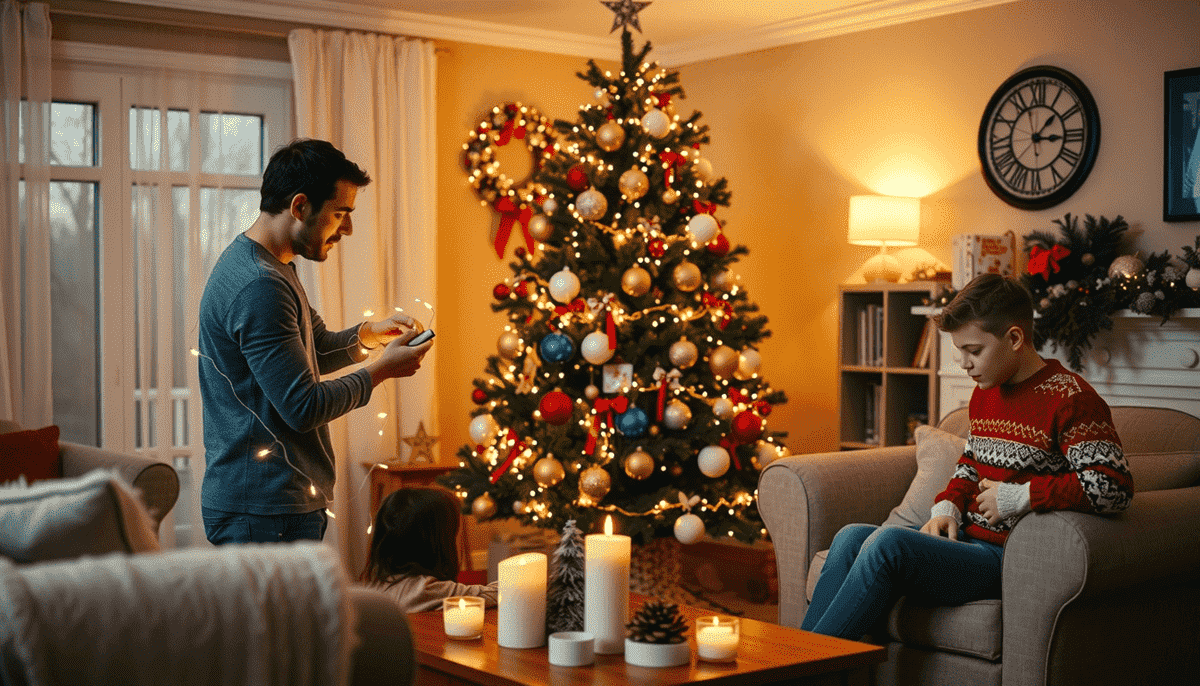
The holiday season brings joy, color, and celebration, but it also brings a surprising number of household accidents. From flickering string lights and overloaded outlets to unstable ladders and dried-out Christmas trees, holiday decorations can quickly turn from festive to dangerous.
For many Utah families, November through January is the most hazardous time of the year indoors. Emergency rooms across Salt Lake City, Provo, and Ogden see a notable rise in burns, falls, electrical shocks, and fire-related injuries. What’s even more alarming is that most of these incidents are preventable and often involve defective products or unsafe conditions.
At Steele Adams Hosman, we’ve represented Utah families whose holidays were upended by accidents caused by unsafe lighting systems, faulty space heaters, dangerous decor, and careless property maintenance. This guide breaks down the hidden risks behind holiday decorations, and what you can do to protect your loved ones.
Why Holiday Decorations Are More Dangerous Than You Think
Holiday decor changes the environment inside and outside your home. You add unfamiliar objects, run more electrical items, climb more ladders, and burn more candles than at any other time of year.
According to the National Fire Protection Association (NFPA), Christmas decorations cause an average of 832 home fires each year, with electrical distribution equipment being a leading cause.
The reasons are clear:
- Electrical overloads from holiday lights
- Flammable decor placed near heat sources
- Defective extension cords and light strands
- Dry Christmas trees that ignite within seconds
- Falls during decorating, especially from ladders
Combine these risks with Utah’s cold weather, which pushes residents to use more indoor heat sources, and the danger increases significantly.
The Most Common Holiday Decoration Hazards
Holiday hazards typically fall into four categories: fires, electrical injuries, falls, and product defects. Here’s how each one affects Utah families.
1. Fire Hazards: Lights, Trees, Candles, and Heaters
Dry Christmas Trees
A dried-out tree can ignite in less than 10 seconds. Heating vents, fireplaces, and poorly made light strands make the risk even higher.
Holiday Lights
Old or cheaply made lights can spark, overheat, or short out. Indoor/outdoor misuse is another major cause of fires.
Candles
December is the peak month for candle-related home fires. Even one unattended jar candle can damage a room.
Space Heaters
Many families use heaters near their holiday decor. A defective heater or one placed too close to fabric can cause a fast-moving fire.
These risks are especially high in tightly decorated spaces or older Utah homes with limited outlets.
2. Electrical Hazards: Overloaded Outlets and Unsafe Products
Holiday decorating means more:
- Power strips
- Extension cords
- Light strands
- LED projectors
- Powered outdoor decor
Electrical hazards arise when:
- Outlets are overloaded
- Low-quality cords overheat
- Frayed wires spark near carpets or curtains
- Outdoor wiring gets wet
Some injuries stem from defective electrical products, which may expose the manufacturer or retailer to liability.
3. Fall Hazards: Ladders, Roof Lines, and Indoor Setups
Falls are among the top holiday-related injuries. Each year, thousands of people are hurt hanging lights or decor, especially on icy Utah roofs and porches.
Common causes include:
- Unstable ladders
- Slippery outdoor surfaces
- Poorly placed decorations
- Climbing furniture to reach high spots
Indoor falls are also common, particularly for children and seniors navigating cluttered holiday decor.
4. Product Defects: Dangerous Decorations and Lighting Systems
A significant number of holiday-related accidents are caused by defective lights, artificial trees, ornaments, projectors, or electrical decor.
Product defects occur when a decoration is:
- Poorly designed
- Manufactured with cheap components
- Labeled incorrectly (e.g., “outdoor” when it’s not weatherproof)
- Missing proper safety warnings
If a defective product causes injury, burns, electrical shock, or a house fire, families may be eligible to file a product liability claim.
Who Can Be Held Liable for Holiday Decoration Accidents?
Depending on the cause of the injury, multiple parties may be responsible:
Manufacturers or Retailers
If a defect in a decoration, extension cord, or lighting set caused harm.
Property Owners (Premises Liability)
If you or your child were injured at someone else’s decorated home due to unsafe conditions.
Landlords or Property Managers
For failing to maintain safe common areas during holiday events or lighting setups.
Service Contractors
If a professional installer caused electrical hazards or improperly secured outdoor decor.
Steele Adams Hosman investigates every party involved to determine where liability falls.
Signs Your Holiday Decorations May Be Unsafe
Before you plug in your lights or set up your tree, look for these red flags:
- Lights that flicker, spark, or feel warm
- Decorations missing UL/ETL safety certifications
- Extension cords labeled “indoor only” used outside
- Space heaters sitting near curtains or decor
- Lights connected end-to-end beyond the manufacturer’s limit
- Wobbly ladders or unsecured roof clips
- Artificial trees with frayed wiring or unstable bases
If something looks unsafe, it probably is.
Preventing Holiday Decoration Injuries
You can dramatically reduce your risk with a few simple steps:
- Replace old lights, cords, and heaters
- Keep trees watered and away from heat sources
- Never overload outlets or extension cords
- Turn off all decor before bed or leaving the house
- Use non-slip shoes when decorating outdoors
- Keep candles 12+ inches away from flammable materials
- Secure outdoor decor to withstand Utah’s winter winds
What to Do If You or a Loved One Is Injured
When a holiday decoration accident causes harm, the first steps matter:
- Seek medical care immediately
- Document everything: the product, the scene, the damage
- Save the defective item
- Notify the property owner (if applicable)
- Call Steele Adams Hosman before speaking to insurance adjusters
A Utah personal injury attorney can help determine whether negligence, unsafe property conditions, or a defective product caused the injury, and pursue fair compensation.
How Steele Adams Hosman Helps Utah Families
Steele Adams Hosman has extensive experience with:
- Fire and burn injury cases
- Electrical shock and electrocution claims
- Product liability investigations
- Premises liability lawsuits
- Holiday-season accidents involving minors
We gather evidence, consult experts, negotiate with insurers, and fight for full compensation.
Your family deserves safety during the holidays, and justice when someone else’s negligence causes harm. Call us today for a free consultation and take the first step toward justice and healing.
Frequently Asked Questions
1. Are manufacturers responsible if a decoration catches fire?
Yes. If the product was defective in design, manufacturing, or labeling, the manufacturer may be liable.
2. Can I file a claim if I was injured at someone else’s decorated home?
Yes. If unsafe decor or hazardous conditions caused your injuries, you may have a premises liability claim.
3. What if an extension cord or light set was recalled?
A recall strengthens a product liability case, but you can still file even if you didn’t know about the recall.
4. Who pays for property damage from a decoration-related fire?
Homeowner’s insurance may cover damage, but if a defective product caused the fire, the manufacturer may be responsible.
5. Do I need a lawyer for holiday accident claims?
Yes, insurance companies often downplay injuries or blame consumers. An attorney ensures your rights and evidence are protected.