Key Takeaways
- Drivers are most often liable for Utah pedestrian accidents, but liability may also include pedestrians, cities, employers, or vehicle owners depending on the circumstances.
- Utah’s comparative fault law allows injured pedestrians to recover compensation even if they were partially at fault, so long as they are under 50% responsible.
- Immediate legal help matters, as evidence disappears quickly and government claims have strict deadlines.
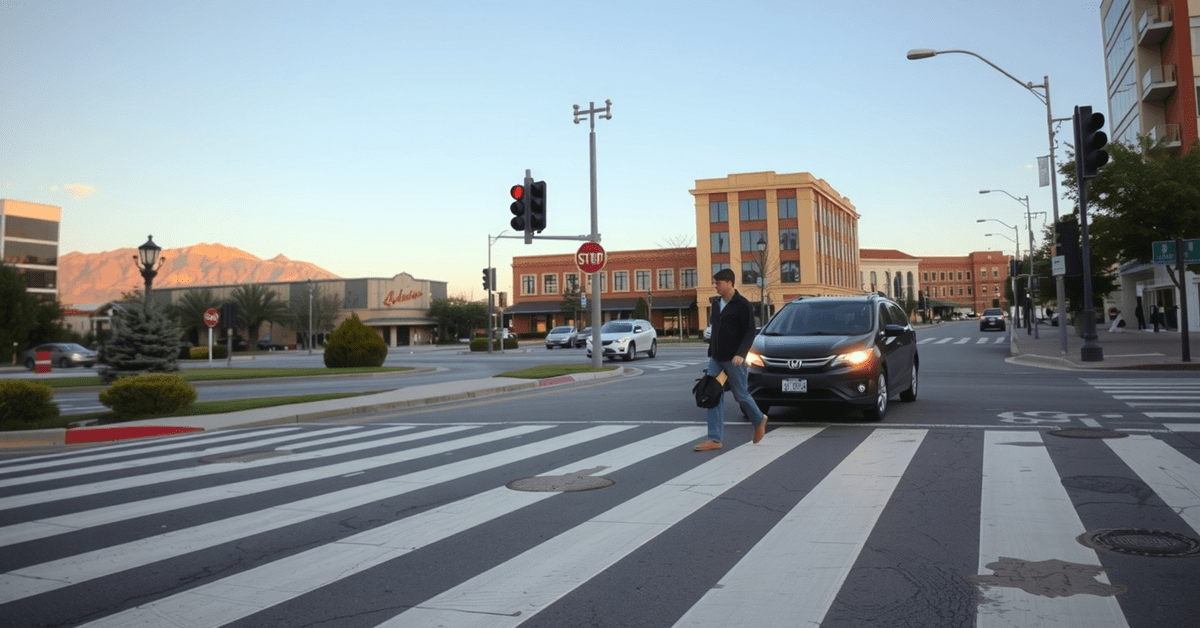
Walking is one of the simplest and most accessible ways to get around, but in Utah, it can also be dangerous. Whether you’re crossing 700 East in Salt Lake City, navigating downtown intersections, or walking through busy residential neighborhoods in West Jordan, Millcreek, or South Salt Lake, pedestrian accidents are alarmingly common. When a vehicle hits a person (even at low speeds) the outcome can be catastrophic.
In the aftermath of a pedestrian accident, one question becomes central to your case: Who is liable? Determining responsibility affects your ability to recover compensation for medical bills, lost income, pain and suffering, and long-term disability.
At Steele Adams Hosman, we help pedestrian accident victims throughout the Wasatch Front understand their legal rights and pursue justice. This article breaks down Utah’s pedestrian laws, fault rules, and the parties who may be responsible for your injuries.
Pedestrian Accident Statistics in Utah
Understanding the scale of the problem provides necessary context. Each year, Utah sees dozens of fatal and serious pedestrian collisions, with Salt Lake County consistently reporting some of the highest numbers in the state.
Key trends include:
- Utah averages 40–50 pedestrian fatalities per year, with hundreds more suffering serious injuries.
- Urban areas see the highest rates, especially Salt Lake City, West Valley City, and Ogden.
- Common contributing factors include distracted driving, speeding, impaired driving, and low visibility.
Intersections along State Street, Redwood Road, 3300 South, and North Temple are among the most dangerous for pedestrians due to heavy traffic and multi-lane roadways. Even smaller residential streets can be hazardous when drivers fail to slow down or pay attention.
Because pedestrians are completely exposed, injury severity is often extreme, including:
- Traumatic brain injuries
- Spinal cord injuries
- Broken bones
- Internal organ damage
- Permanent disability
- Fatal injuries
Utah law includes specific rules intended to protect pedestrians, and understanding these rules is essential for determining liability.
Utah Pedestrian Laws: Who Has the Right of Way?
Contrary to common belief, pedestrians do not always have the right of way in Utah. Instead, liability often hinges on where the pedestrian was walking and whether both parties followed the law.
When Pedestrians Have the Right of Way
Under Utah Code § 41-6a-1006, drivers must yield to pedestrians:
- In marked crosswalks
- In unmarked crosswalks at intersections
- When a pedestrian enters the roadway lawfully
- When traffic signals indicate it is safe to cross
Drivers must also take reasonable precautions, which means slowing down near schools, residential neighborhoods, bus stops, and areas where pedestrians are visibly present.
When Pedestrians Do NOT Have the Right of Way
Pedestrians may be considered partially or fully at fault if they:
- Step into the roadway suddenly
- Enter traffic in a way that doesn’t allow a vehicle enough time to stop
- Cross against a red light or “Don’t Walk” signal
- Jaywalk across busy roads or mid-block
- Walk in prohibited areas such as highways or restricted zones
But even if a pedestrian breaks a rule, it does not automatically eliminate their claim. Instead, Utah’s comparative fault rule determines how compensation is adjusted.
How Liability Is Determined in Utah Pedestrian Accidents
Liability is based on negligence, or the failure to use reasonable care. After a crash, investigators look at how both the driver and pedestrian acted leading up to the accident.
Driver Negligence
Drivers are most often at fault in Utah pedestrian accidents due to:
- Distracted driving (texting, using GPS, eating, talking on the phone)
- Speeding or driving too fast for conditions
- Failing to yield at crosswalks or intersections
- Rolling through stop signs
- Driving under the influence of drugs or alcohol
- Failing to check blind spots when turning
If a driver violated a traffic law (such as speeding or failing to yield) proving negligence becomes more straightforward.
Pedestrian Negligence
Pedestrians can also contribute to accidents, though usually to a lesser degree. Pedestrian negligence may include:
- Jaywalking
- Crossing against traffic signals
- Walking illegally in roadways
- Being distracted (phone use, headphones)
- Impairment from alcohol or drugs
However, pedestrian negligence does not bar recovery unless the pedestrian is found to be at least 50% responsible.
Utah’s Comparative Fault Rule
Utah follows modified comparative fault, found in Utah Code § 78B-5-818. Under this rule:
- You can recover compensation if you are less than 50% at fault.
- Your compensation is reduced by your percentage of fault.
Example
If your total damages equal $100,000 and your fault is:
- 0% → You recover $100,000
- 20% → You recover $80,000
- 49% → You recover $51,000
- 50% → You recover $0
Insurance companies understand this rule well, and often try to claim the pedestrian was partially responsible to reduce payouts. Steele Adams Hosman pushes back against unfair fault assignments and builds strong cases to protect your right to compensation.
Other Parties Who May Be Liable in a Utah Pedestrian Accident
While drivers and pedestrians are central to most claims, responsibility can extend further.
1. Municipalities or Government Entities
Cities, counties, or the State of Utah may be liable if dangerous road conditions contributed to the crash.
Examples include:
- Missing or faded crosswalk markings
- Defective or malfunctioning traffic signals
- Poor lighting along busy roads
- Lack of signage near high-foot-traffic areas
- Road design flaws (e.g., wide intersections or blind corners)
Claims against the government are complex and involve strict notice requirements under the Utah Governmental Immunity Act. You must act quickly or risk losing your right to compensation.
2. Vehicle Owners (When the Driver Is Not the Owner)
If someone borrows a car and causes a pedestrian accident, the vehicle owner’s insurance may also be responsible. Utah law often holds owners liable for permitting someone else to drive their car.
3. Employers
If the driver was on the job when the accident occurred, their employer may share liability under vicarious liability.
This applies to:
- Delivery drivers
- Contractors
- Utility workers
- Company vehicle operators
- Rideshare drivers (depending on their status during the crash)
Employer involvement often increases available insurance coverage, which can significantly affect compensation.
4. Manufacturers
In rare cases, defects contribute to accidents, such as:
- Brake failures
- Defective tires
- Malfunctioning steering systems
If a vehicle defect caused or contributed to the crash, manufacturers or distributors may be responsible.
What to Do After a Pedestrian Accident in Utah
The steps taken immediately after an accident can make or break your case. If you or a loved one is struck by a vehicle:
1. Call 911
Medical professionals and police must document the incident. Even if injuries seem minor, symptoms can worsen over time.
2. Get Driver and Witness Information
Collect:
- Driver’s name and contact
- License plate number
- Insurance details
- Contact information for witnesses
3. Take Photos and Videos
Capture:
- Crosswalks
- Traffic signals
- Vehicle damage
- Injuries
- Road conditions
- Surrounding lighting
4. Request the Police Report
This is crucial evidence in proving liability.
5. Avoid Speaking with Insurance Companies Alone
Insurers may attempt to twist your words or shift blame.
6. Contact an Experienced Utah Pedestrian Accident Lawyer
Legal representation ensures your rights are protected from the beginning.
How Steele Adams Hosman Helps Utah Pedestrian Accident Victims
Pedestrian accidents leave victims facing long medical recoveries, emotional trauma, and significant financial burdens. Steele Adams Hosman is here to guide you every step of the way.
Our team will:
- Conduct a thorough investigation
- Examine traffic laws and road conditions
- Identify all potentially liable parties
- Work with accident reconstruction experts
- Handle communications with insurers
- Fight for full compensation in negotiations or court
Call Steele Adams Hosman Today
You should not have to navigate the aftermath of a pedestrian accident alone. Let our experienced attorneys help you recover and move forward with confidence.
Call Steele Adams Hosman today to schedule your free consultation and learn your legal rights after a pedestrian accident.
FAQs
1. Can a pedestrian be at fault for an accident in Utah?
Yes. Pedestrians may share or bear full responsibility if they break traffic laws, jaywalk, or enter traffic unsafely, but they can still recover compensation if they are less than 50% at fault.
2. What if the driver flees the scene?
You may still have options through uninsured motorist coverage or other legal claims. Our attorneys can help you pursue every available avenue.
3. Can I sue the city for poor road design or bad lighting?
Yes, in certain cases, but government claims have strict deadlines and special procedures.
4. What compensation can pedestrian accident victims recover?
Medical expenses, lost wages, pain and suffering, rehabilitation costs, and more.
5. How long do I have to file a pedestrian accident claim in Utah?
Most personal injury claims have a four-year statute of limitations, but government claims must be filed within a much shorter window. Contact an attorney as soon as possible.