A property owner is not automatically responsible every time someone is injured on residential, commercial, or public property. To establish a premises liability claim in Utah, the injured person generally must show that the person or entity controlling the property failed to use reasonable care and that this failure caused the injury.
The key questions often involve who controlled the property, what made the condition dangerous, whether the responsible party knew or should have known about it, and whether reasonable steps were taken to repair the hazard or warn visitors.
Unsafe-property cases can arise in grocery stores, apartment complexes, restaurants, hotels, office buildings, parking garages, construction sites, private homes, and many other locations. Common hazards include wet floors, broken stairs, accumulated ice, poor lighting, unsecured merchandise, damaged sidewalks, and missing handrails.
Steele Adams Hosman helps injured Utah residents investigate unsafe property conditions, identify the parties responsible for maintaining the premises, and pursue compensation for medical expenses, lost income, pain, and other losses.
What Is Premises Liability?
Premises liability is the area of personal injury law that addresses injuries caused by dangerous or defective conditions on property.
These cases frequently involve falls, but premises liability is broader than traditional slip-and-fall claims. A person may also be injured by falling merchandise, unsafe stairways, damaged railings, exposed electrical hazards, construction debris, inadequate lighting, or another dangerous condition.
A successful claim usually requires proof that:
- The defendant owned, occupied, managed, or controlled the property
- A dangerous condition existed
- The defendant knew or reasonably should have known about the danger
- The defendant failed to correct the condition or provide an adequate warning
- The unsafe condition caused the person’s injury
- The injured person suffered measurable damages
Utah courts have long recognized that possessors of property may be responsible for defective or dangerous conditions that injure people who are lawfully on the premises. The legal analysis focuses heavily on possession, control, knowledge, and reasonable care.
Who Can Be Held Responsible for an Unsafe Property?
The property owner is not always the only potentially responsible party.
Liability may extend to any person or business that possessed or controlled the area where the injury occurred. Depending on the facts, responsible parties may include:
- A commercial property owner
- A homeowner
- A landlord
- A residential property management company
- A retail tenant
- A restaurant operator
- A hotel company
- A homeowners association
- A maintenance contractor
- A snow and ice removal company
- A construction contractor
- A government entity
- A business hired to inspect or repair the property
Control matters because the party with authority over an area is often in the best position to inspect it, repair hazards, restrict access, or provide warnings.
For example, a shopping center may be owned by one company, managed by another, and occupied by several retail tenants. If a customer falls on water inside one store, the tenant may be responsible for inspecting and maintaining that interior area.
If the same person falls on a broken walkway in a shared parking area, the property owner or management company may bear responsibility instead.
Utah’s Supreme Court has explained that a contractor performing only a limited task does not necessarily assume the same premises liability responsibilities as a party that actually possesses or controls the property. Therefore, Steele Adams Hosman investigates contracts, maintenance agreements, leases, and day-to-day control before deciding who should be included in a claim.
What Duty Does a Utah Property Owner Owe Visitors?
Utah premises liability law generally requires property possessors to exercise reasonable care toward lawful visitors.
The precise duty may depend on why the person entered the property and what relationship existed between the parties.
Business Invitees
A business invitee is someone who enters property for a purpose connected to the owner’s business. Examples include:
- Customers in a grocery store
- Diners at a restaurant
- Guests at a hotel
- Patients entering a medical office
- Clients visiting a professional office
- Shoppers at a mall
Utah courts have recognized a duty to use reasonable care to protect invitees from dangerous conditions when the property possessor knows about the danger or would discover it through reasonable inspection. Liability may also depend on whether the possessor should expect that visitors will not recognize the danger or protect themselves from it.
Social Guests and Other Permitted Visitors
A person invited to a private residence may also be owed a duty of care. The analysis may differ from a commercial-property case, but a homeowner generally should not expose invited guests to hidden, unreasonable dangers without taking reasonable precautions.
For example, a homeowner who knows that a porch step has collapsed may need to repair it, block access, or clearly warn visitors.
Trespassers
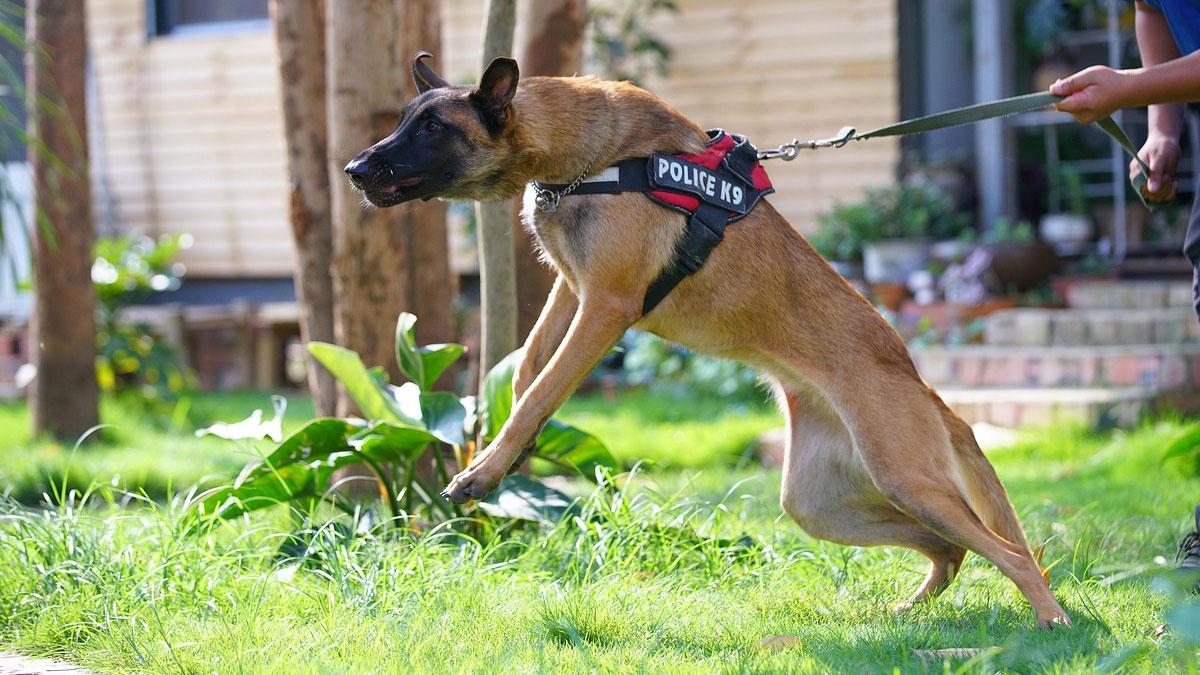
Property owners generally owe fewer duties to people who enter without permission. However, Utah law contains exceptions, including rules involving deliberate injury, certain known dangerous conditions, children, and some injuries caused by dogs.
The result depends heavily on the person’s age, the reason for entering, the owner’s knowledge, and the nature of the condition. Utah has specific statutes governing liability to trespassers, so these cases require individual review.
If you were hurt because a Utah property was not reasonably maintained, contact Steele Adams Hosman for a free consultation. The condition, ownership records, and maintenance evidence should be investigated promptly.
What Does “Knew or Should Have Known” Mean?
Many premises liability cases turn on whether the responsible party had actual or constructive notice of the dangerous condition.
Actual Notice
Actual notice means the owner, manager, or employee genuinely knew the condition existed.
Evidence of actual notice may include:
- An employee saw the hazard
- A customer reported the condition
- A tenant submitted a maintenance request
- A prior inspection documented the problem
- Management discussed the hazard in an email
- The owner created the condition
- A previous accident occurred in the same location
For example, if apartment residents repeatedly report a loose stair railing and management does nothing, those reports may help establish actual knowledge.
Constructive Notice
Constructive notice means the condition existed long enough, occurred often enough, or was obvious enough that a reasonably careful property operator should have discovered it.
An injured person may not have evidence that an employee personally saw a spill. However, surveillance footage, inspection records, witness statements, or the appearance of the substance could show that it remained on the floor for an extended period.
Factors that may support constructive notice include:
- The amount of time the hazard existed
- Whether employees regularly walked through the area
- Whether inspections were required
- Whether the property lacked reasonable inspection procedures
- Whether the hazard occurred repeatedly
- Whether weather forecasts made the condition predictable
- Whether the owner created the dangerous condition
A property owner cannot always avoid responsibility by claiming not to have seen a hazard. Reasonable care may require active inspection, particularly in high-traffic commercial areas.
What Types of Conditions Can Make Property Unsafe?
Almost any property defect can support a claim if it creates an unreasonable danger and the legal requirements are met.
Common examples include:
- Wet or greasy floors
- Snow and ice accumulation
- Uneven pavement
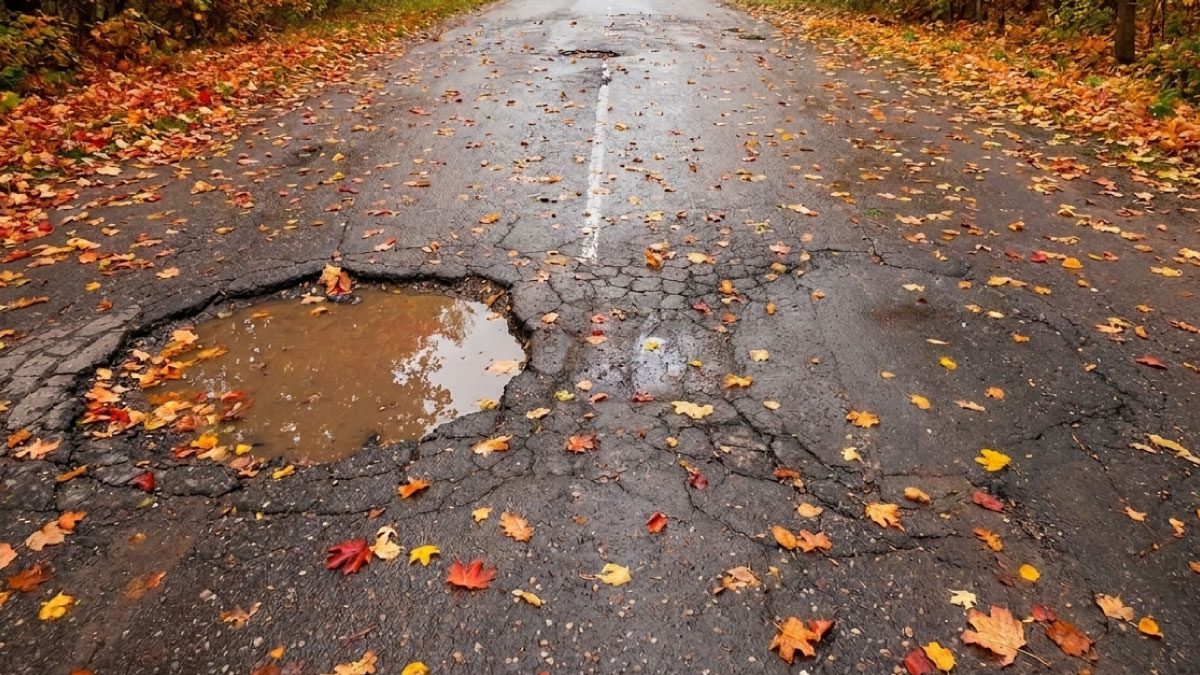
- Potholes
- Loose rugs or mats
- Broken tiles
- Crumbling concrete
- Missing or unstable handrails
- Defective stairs
- Poorly marked elevation changes
- Inadequate lighting
- Merchandise falling from shelves
- Exposed wiring
- Unsecured construction materials
- Blocked walkways
- Dangerous swimming pool conditions
- Broken gates or fences
- Malfunctioning elevators or escalators
- Falling ceiling materials
- Unsafe balconies or decks
A condition does not have to be permanent to create liability. A temporary spill may be just as dangerous as a long-standing structural defect.
The question is whether the property operator responded reasonably under the circumstances.
Are Utah Property Owners Responsible for Snow and Ice?
Utah’s winter weather creates frequent premises liability questions.
Snow, freezing rain, and temperature changes can make sidewalks, stairs, parking lots, and building entrances dangerously slippery. Conditions can be especially difficult along the Wasatch Front, where daytime melting may be followed by overnight freezing.
A property owner is not necessarily liable every time someone slips on snow or ice. The claim depends on issues such as:
- When the storm occurred
- How long the condition existed
- Whether the property had a snow-removal plan
- Whether employees or contractors followed that plan
- Whether plowing created additional ice
- Whether drainage repeatedly caused refreezing
- Whether warnings or barriers were used
- Whether the area was a primary customer walkway
- Whether the owner knew about prior incidents
Suppose water regularly drains from a shopping center roof onto a walkway and refreezes near the entrance. If management knows about the recurring condition but does not redirect the water, treat the ice, or warn customers, the resulting claim may be stronger than one involving fresh snow that began falling minutes earlier.
Contracts also matter. A property owner may hire a snow-removal company, but the agreement must be reviewed to determine which party was responsible for the precise area and condition.
What If the Danger Was Open and Obvious?
Property owners and insurers often argue that an injured person should have seen the condition and avoided it.
Utah recognizes the open-and-obvious-danger doctrine, but an obvious condition does not necessarily eliminate the property possessor’s duty in every case. Utah’s comparative fault system may require a more detailed evaluation of both parties’ conduct.
A property possessor may still need to anticipate harm when visitors are likely to become distracted, must encounter the condition to access the property, or may reasonably fail to protect themselves.
For example, a customer may notice ice covering the only available entrance to a store. The fact that the ice is visible does not automatically answer whether the store acted reasonably by keeping the entrance open without treatment, barriers, or an alternate route.
The insurer may argue that the injured person bears some responsibility. Steele Adams Hosman can respond with evidence about lighting, distractions, warning signs, available walking routes, and the necessity of encountering the condition.
How Does Comparative Fault Affect a Utah Premises Liability Claim?
Utah allows fault to be divided among the people and entities whose conduct contributed to an injury.
An insurance carrier may argue that the injured person:
- Was looking at a phone
- Ignored a warning sign
- Entered a restricted area
- Wore inappropriate footwear
- Walked too quickly
- Failed to use an available handrail
- Chose a clearly hazardous route
These arguments do not automatically defeat the claim. They must be evaluated against the property owner’s conduct and the actual evidence.
For example, a warning sign placed far from the hazard or hidden behind merchandise may not provide a meaningful warning. A handrail may not help if it was loose or improperly installed. Footwear may be irrelevant when the floor was coated with oil.
Comparative fault can substantially affect compensation, so an injured person should avoid giving a recorded statement that includes guesses, unnecessary admissions, or conclusions about fault.
Do not let an insurance adjuster decide responsibility before the evidence is collected. Steele Adams Hosman can investigate the property, preserve surveillance footage, and challenge unfair blame.
What Evidence Helps Prove an Unsafe-Property Claim?
Premises liability claims are evidence-intensive. The condition may be repaired or removed shortly after the accident, making early documentation especially important.
Useful evidence may include:
- Photographs and videos of the hazard
- Surveillance recordings
- Incident reports
- Employee statements
- Witness contact information
- Inspection checklists
- Cleaning logs
- Maintenance records
- Repair requests
- Prior complaints
- Prior accident reports
- Weather records
- Snow-removal contracts
- Lease and management agreements
- Building code records
- Property ownership documents
- Medical records
- Damaged clothing or footwear
Surveillance video is particularly important because many businesses automatically overwrite recordings within days or weeks.
Steele Adams Hosman may send a preservation notice instructing the responsible parties not to delete video, discard records, repair evidence without documentation, or destroy relevant communications.
What Should You Do Immediately After an Injury on Someone Else’s Property?
Your health comes first, but the steps taken at the scene can also protect your legal rights.
When possible:
- Report the injury. Notify the owner, manager, landlord, or employee.
- Request medical assistance. Call emergency services when the injury is serious.
- Photograph the condition. Capture close-up and wide-angle views before it changes.
- Document the surrounding area. Include lighting, signs, weather, stairs, entrances, and obstacles.
- Identify witnesses. Obtain names and contact information.
- Request an incident report. Ask for a copy or photograph the completed report.
- Preserve your clothing and shoes. Do not immediately wash or discard them.
- Seek medical evaluation. Some head, back, and soft tissue injuries worsen over time.
- Avoid detailed recorded statements. Speak with a lawyer before discussing fault with an insurer.
- Contact Steele Adams Hosman. Early legal action can help prevent evidence from disappearing.
Do not argue with employees or exaggerate what happened. Provide accurate basic information, document the scene, and focus on obtaining medical care.
Are Landlords Responsible for Unsafe Rental Property?
Landlords may be responsible for certain hazards, especially in common areas or when they retain control over repairs and maintenance.
Utah’s Fit Premises Act requires residential rental owners to meet several health and safety obligations. Among other duties, owners generally may not rent premises unless they are safe, sanitary, and fit for human occupancy. Owners must also maintain common areas in a sanitary and safe condition and maintain specified building systems.
Potential landlord-liability cases may involve:
- Broken common-area stairs
- Missing hallway lights
- Defective railings
- Dangerous parking areas
- Unrepaired leaks
- Unsafe electrical conditions
- Collapsing ceilings
- Inadequate snow removal
- Broken exterior doors
- Code violations
Liability may depend on whether the landlord controlled the area, received notice, had a duty under the lease, or voluntarily undertook repairs.
A landlord is not necessarily responsible for every dangerous activity or condition created by a tenant. In a 2025 decision, the Utah Supreme Court declined to impose liability on a landlord for injuries caused by a tenant’s dog under the particular facts presented. That decision illustrates why control and the precise source of the danger must be carefully analyzed.
What If the Injury Occurred on Government Property?
Cases involving cities, counties, state agencies, schools, public sidewalks, or government buildings have additional rules.
Government defendants may assert immunity, and an injured person may have to comply with special notice requirements before filing a lawsuit. These deadlines can be much shorter and more technical than the general deadline for an ordinary negligence claim.
A government claim may involve:
- A defective public walkway
- Unsafe courthouse stairs
- Poorly maintained government buildings
- Dangerous public parking structures
- Defective roads
- Unmarked construction areas
- Hazards at public parks or facilities
Utah courts recognize that government entities may face premises-related liability in some circumstances, but statutory immunity provisions and exceptions must be evaluated carefully.
Anyone injured on government-controlled property should obtain legal advice promptly rather than waiting for medical treatment to conclude.
What Compensation May Be Available?
A person injured by an unsafe property condition may seek compensatory damages for the losses caused by the accident.
Potential damages include:
- Emergency medical care
- Hospitalization
- Surgery
- Diagnostic testing
- Physical therapy
- Medication
- Future treatment
- Lost wages
- Reduced earning capacity
- Pain and suffering
- Emotional distress
- Physical impairment
- Disfigurement
- Loss of enjoyment of life
- Necessary assistance at home
A fall that initially appears minor can result in a fractured hip, traumatic brain injury, herniated disc, torn ligament, or permanent loss of mobility.
Steele Adams Hosman evaluates both present and future consequences before recommending settlement. An early insurance offer may not account for upcoming surgery, long-term rehabilitation, or an inability to return to the same occupation.
Frequently Asked Questions About Unsafe Property Conditions
Is a property owner automatically liable because I fell?
No. A fall alone does not establish negligence. You generally must identify a dangerous condition and connect the defendant’s failure to use reasonable care to your injury.
What if I do not know how long the hazard existed?
Other evidence may establish constructive notice. Surveillance footage, inspection records, witness testimony, employee movements, and the condition’s appearance may help show how long it was present.
Can I file a claim if there was a warning sign?
Possibly. The warning must be adequate, visible, understandable, and reasonably positioned. A sign does not excuse every failure to repair or isolate a serious hazard.
What if the owner repaired the condition after my accident?
A repair does not necessarily eliminate the claim. However, the original condition must be documented through photographs, witnesses, video, reports, or other evidence.
Can a tenant sue a landlord?
Yes, depending on the hazard, the area involved, control of the property, notice, lease obligations, and the landlord’s response.
What if I was partly at fault?
Partial responsibility does not always prevent recovery. Utah’s comparative fault rules require an evaluation of all responsible parties, although the percentage assigned to you may affect the outcome.
Contact Steele Adams Hosman About an Unsafe Property Injury
Property owners and businesses have a responsibility to use reasonable care when maintaining areas open to visitors. When they ignore dangerous conditions, skip inspections, fail to make repairs, or provide inadequate warnings, preventable injuries can occur.
These cases are rarely proven by the injury alone. They require evidence showing who controlled the property, how the hazard developed, how long it existed, and what the responsible party did or failed to do.
Steele Adams Hosman brings personalized support, knowledge of Utah courts, and trial-ready preparation to slip-and-fall and premises liability cases throughout Salt Lake City, Sugar House, Millcreek, South Jordan, and surrounding Wasatch Front communities.
Hurt because of an unsafe condition? Contact Steele Adams Hosman today for a free consultation and learn what steps can be taken to protect your claim.
You do not have to face the property owner or insurance company alone. Let Steele Adams Hosman investigate the hazard and pursue the justice and compensation you deserve.