Key Takeaways
- Halloween is one of the most dangerous nights of the year for child pedestrians, with injury risks increasing due to low visibility and distracted driving.
- Choosing visible costumes, sticking to well-lit neighborhoods, and reviewing walking safety rules significantly reduces the risk of accidents.
- If a child is injured by a negligent driver, Steele Adams Hosman can help families pursue compensation for medical bills, pain, suffering, and long-term impacts.
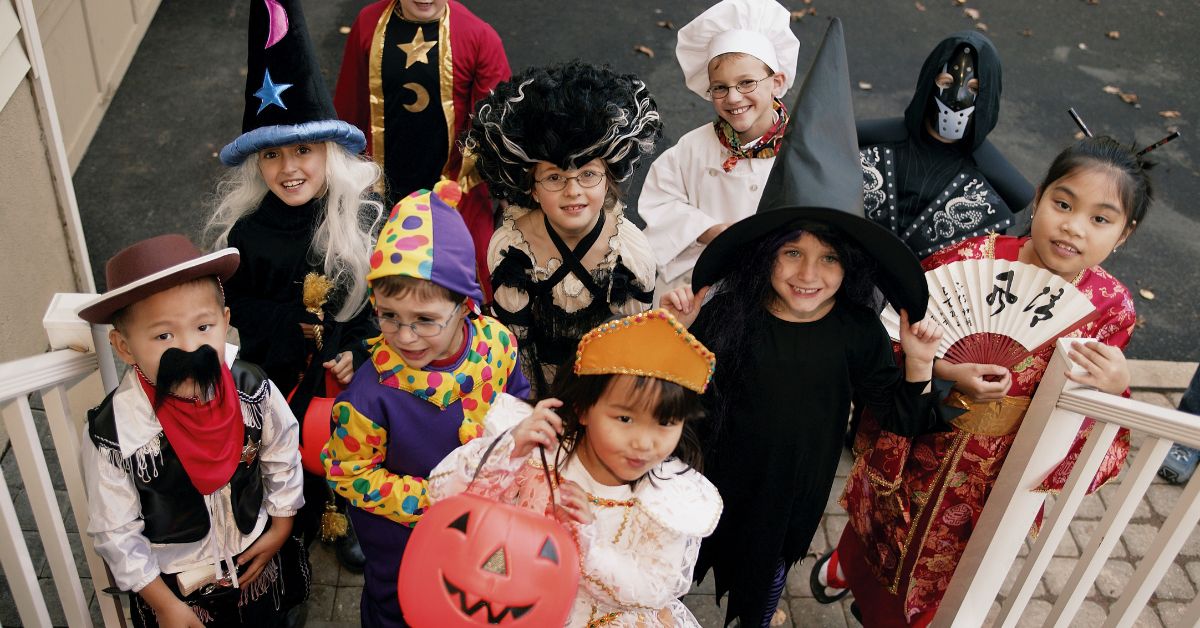
Halloween brings excitement, costumes, candy, and cherished memories for Utah families. Neighborhoods throughout Salt Lake City, Sugar House, West Jordan, Draper, and surrounding Wasatch Front communities fill with children moving from house to house, often after dark, often distracted, and often wearing dark costumes.
Unfortunately, Halloween is also consistently ranked as one of the most dangerous nights of the year for pedestrians. National safety data shows a 43% increase in pedestrian injuries and fatalities on October 31, especially among children. The combination of darkness, increased foot traffic, excited kids crossing unpredictably, and drivers who may be distracted or rushing creates hazardous conditions. Utah’s fall weather (fog, early sunsets, wet roads) can make visibility even worse.
Below are updated, Utah-focused safety tips to help your family enjoy a safe and memorable Halloween night.
Stay on the Sidewalk and Follow Essential Walking Safety Rules
Sidewalks and pedestrian paths are always the safest option when trick-or-treating. Many neighborhoods across Salt Lake City and the Wasatch Front have uneven or partially lit sidewalks, but they still offer more protection than the roadway. If your neighborhood lacks sidewalks (a common issue in older areas of Millcreek, Murray, or Taylorsville) walk facing traffic, staying as far left as possible so approaching vehicles can see you.
When crossing streets:
- Use marked crosswalks or intersections
- Avoid crossing between parked cars
- Teach kids to stop, look left-right-left, and listen before stepping off a curb
- Make eye contact with drivers to confirm they’ve seen you
- Avoid running across the street, even in familiar neighborhoods
Groups are more visible than individual trick-or-treaters, so traveling together adds an extra layer of protection. Adults should accompany young children at all times.
Drivers in residential neighborhoods may be turning into driveways, backing out, or navigating tight streets with limited lighting. Remind kids that even if they see a car, a driver may not see them.
Boost Visibility with Reflectors, Lights, and Bright Costumes
Many traditional Halloween costumes (witches, vampires, skeletons) are intentionally dark. While spooky and fun, dark costumes make children harder to see. Since sunset arrives early in Utah in late October, many families begin trick-or-treating in low light.
To increase visibility:
- Add reflective tape to costumes, candy bags, and shoes
- Use clip-on LED lights, glow sticks, or light-up accessories
- Encourage brightly-colored costumes when possible
- Consider reflective vests layered under capes or jackets
- Carry a flashlight and keep it pointed downward to illuminate walking paths
Visibility is especially important along busy roads such as 700 East, State Street, Redwood Road, and Foothill Drive. Even in neighborhood streets, parked cars and low street lighting make visibility a challenge for drivers.
Trick-or-Treat in Familiar, Well-Lit Utah Neighborhoods
Choosing the right location is one of the strongest predictors of a safe Halloween. Well-lit, walkable neighborhoods throughout Utah (such as Sugar House, Holladay, Daybreak, or parts of Bountiful) tend to have slower traffic and more families outside, which increases safety.
Before heading out:
- Review your route
- Choose well-lit, populated streets
- Avoid alleys, wooded paths, or poorly lit cul-de-sacs
- Set boundaries for older children
- Decide on a designated meeting spot if anyone becomes separated
Familiarity helps kids stay oriented and reduces the likelihood of wandering, especially in large neighborhoods or crowded trick-or-treating events.
If exploring a new area, consider previewing the route in daylight so you’re aware of uneven sidewalks, major intersections, or areas with heavy traffic.
Be Cautious Around Pets and Stray Animals
Halloween can be overwhelming for animals. Even the friendliest pets can become stressed by costumes, loud noises, and constant door knocking. Children may be tempted to approach or pet animals while trick-or-treating, but doing so can result in bites or scratches.
Teach children to:
- Avoid any dog that is barking, growling, or tied up
- Never enter a yard with a loose dog
- Stay away from animals showing defensive or fearful body language
- Keep a safe distance from “Beware of Dog” signs
- Alert an adult if a loose dog begins following them
In Utah, dog bite injuries often increase around holidays due to unusual household activity. A quick conversation with kids can help prevent dangerous encounters.
Have a Pre-Trick-or-Treat Safety Talk with Your Kids
A short safety talk before heading out can prevent many common Halloween hazards. Use this time to clearly explain expectations and help children feel prepared.
Key points to cover:
- Stay with your group
- Never go inside a stranger’s house or vehicle
- Only approach houses with porch lights on
- Walk (don’t run) between homes
- Save candy until an adult inspects it
- Keep phones accessible and charged for older kids
- Know who to call or where to go if separated
If older children trick-or-treat without adult supervision (common in communities like South Jordan or Riverton), set firm rules about curfew, designated areas, and communication check-ins.
Be Aware of Utah-Specific Road and Weather Conditions
Utah Halloweens can be unpredictable. Snowstorms, freezing rain, fog, or sudden temperature drops may occur along the Wasatch Front. These conditions make roads more slippery and significantly reduce nighttime visibility.
Local hazards to watch for:
- Wet leaves on sidewalks
- Icy patches along driveways
- Fog near foothill communities
- Dark rural streets in areas like Herriman or Bluffdale
- Busy intersections near schools and parks
Check the weather forecast and dress children warmly. Layers underneath costumes help keep them comfortable without compromising mobility or safety.
Monitor Drivers for Signs of Negligence or Impairment
Even the most careful families can face dangers caused by drivers who fail to adjust their behavior for Halloween conditions. Some motorists speed through neighborhoods, fail to yield at crosswalks, drive distracted, or attempt to navigate busy roads while using their phone.
Encourage kids to assume drivers do not see them. Even if a vehicle appears to be slowing down, do not cross until eye contact is made.
If you notice:
- A driver swerving
- A speeding vehicle
- Someone driving aggressively
- A motorist ignoring crosswalks or stop signs
Move children to a safe area and wait for traffic to clear. Report dangerous driving when appropriate, especially near schools, parks, or community events.
What to Do If Your Child Is Injured on Halloween
Even with the best precautions, accidents can happen, and when a negligent driver causes harm, families deserve support and legal guidance.
Steele Adams Hosman helps Utah families recover compensation for:
- Emergency medical care
- Ongoing treatment and rehabilitation
- Pain, suffering, and emotional distress
- Lost wages if a parent must miss work
- Long-term impacts of serious injuries
Pedestrian accidents involving children are emotionally devastating and financially overwhelming. You don’t have to navigate the legal process alone. Steele Adams Hosman is committed to standing up for injured children and their families across the Salt Lake Valley.
Your family’s safety is our priority. If a driver’s negligence causes a Halloween injury, call Steele Adams Hosman today to schedule a free consultation.
FAQs
1. Why is Halloween considered dangerous for pedestrians?
Halloween involves high foot traffic, low lighting, distracted walking, unpredictable crossing patterns, and drivers who may not adjust for pedestrian-heavy neighborhoods, all contributing to increased accident risks.
2. What time is most dangerous for trick-or-treating?
Dusk and early evening are riskiest because visibility is low, and most drivers are commuting home during peak trick-or-treat hours.
3. Should children carry phones while trick-or-treating?
Phones help older kids stay connected, check in with parents, and call for help if needed. Young children should remain with adults at all times.
4. What should I do if a dog bites my child on Halloween?
Seek medical care immediately, document the injury, identify the dog’s owner, and report the bite. Utah premises liability and dog bite laws may apply.
5. How can Steele Adams Hosman help after a pedestrian accident?
Our attorneys investigate the collision, speak with witnesses, handle discussions with insurers, and pursue compensation for medical bills, pain, suffering, and long-term impacts.